Formaldehyde.org Understanding Formaldehyde: Science, Safety & Industry

Formaldehyde.org

Understanding Formaldehyde: Science, Safety & Industry

Latest Articles

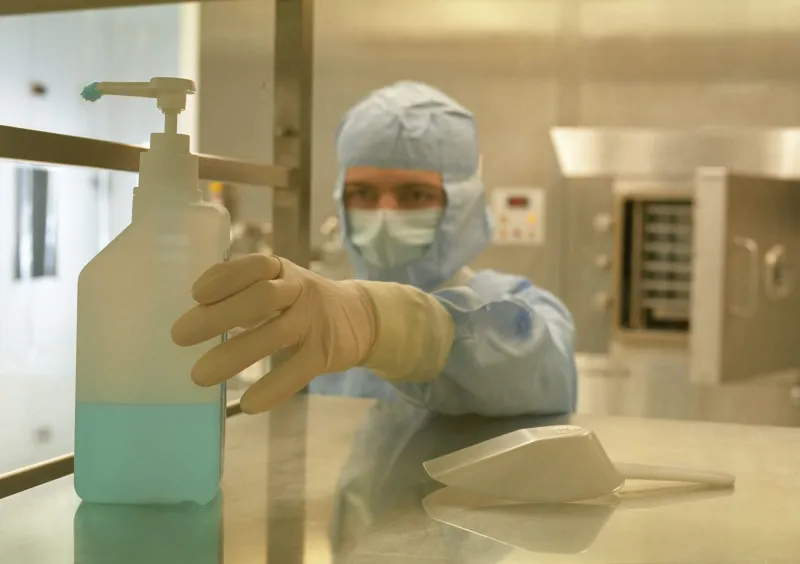
Irreplaceable and Inconvenient: How Formaldehyde Persists at the Heart of Hospital Infection Control
Industry & Regulation

Irreplaceable and Inconvenient: How Formaldehyde Persists at the Heart of Hospital Infection Control

Despite billions invested in greener sterilization technologies, formaldehyde-based compounds remain deeply embedded in hospital infection control protocols across the United States. Clinical performance data, regulatory complexity, and stark cost differentials explain why healthcare systems find it far easier to acknowledge the molecule's risks than to actually replace it.
Root Canals, Pulpotomies, and the Molecule Dentists Won't Give Up
Industry & Regulation

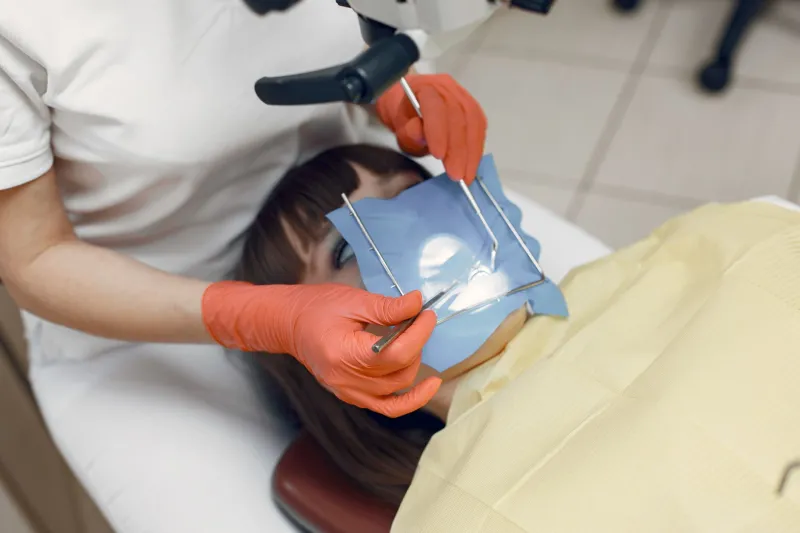
Root Canals, Pulpotomies, and the Molecule Dentists Won't Give Up

Formaldehyde-based compounds remain embedded in everyday dental practice, from pediatric pulpotomies to endodontic sealers, despite decades of public anxiety about the molecule. Dentists and researchers continue to weigh clinical efficacy against evolving safety standards, making risk-benefit calculations that rarely make it into the patient chair conversation. Understanding why the profession hasn't moved on—and whether it can—requires a closer look at what formaldehyde actually does inside a t

The Chemical That Built Modern Pathology — And Still Has No Equal
Industry & Regulation

The Chemical That Built Modern Pathology — And Still Has No Equal

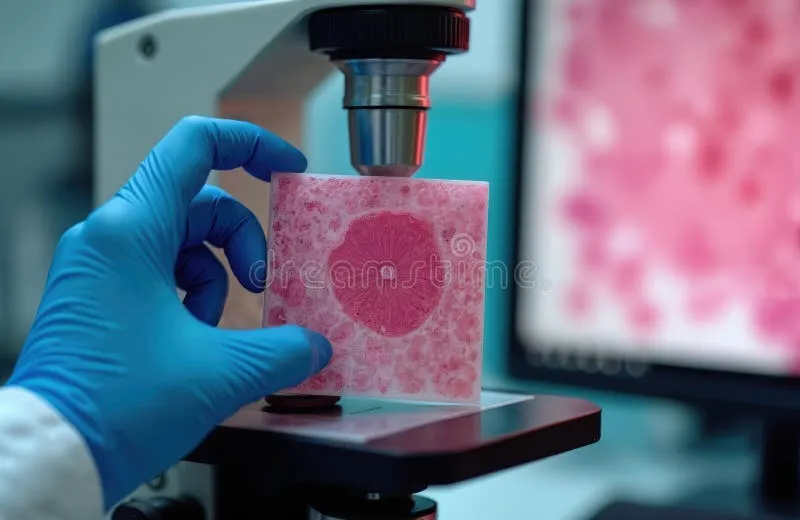
Formaldehyde has anchored tissue preservation in pathology laboratories for more than a century, and despite sustained pressure from regulators and researchers alike, no substitute has managed to replicate its diagnostic reliability. Understanding why this single chemical remains so deeply embedded in modern diagnostic medicine requires a close look at both its irreplaceable chemistry and the formidable barriers facing every proposed replacement.

Safe in the Syringe, Dangerous on the Floor: The Formaldehyde Contradiction at the Heart of Pharmaceutical Manufacturing
Industry & Regulation

Safe in the Syringe, Dangerous on the Floor: The Formaldehyde Contradiction at the Heart of Pharmaceutical Manufacturing

The same formaldehyde that appears in vanishingly small, safe concentrations inside a finished vaccine or pharmaceutical product can exist at genuinely hazardous levels just steps away on the manufacturing floor. Understanding how drug makers navigate this contradiction — through engineering controls, regulatory compliance, and emerging process innovations — reveals one of the more striking paradoxes in modern industrial chemistry.

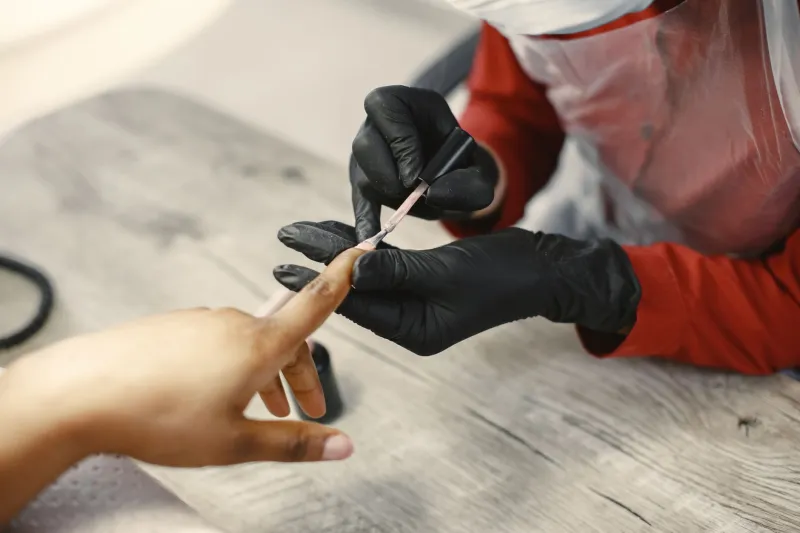
Eight Hours a Day, Every Day: The Hidden Formaldehyde Burden Carried by Nail Salon Workers
Industry & Regulation

Eight Hours a Day, Every Day: The Hidden Formaldehyde Burden Carried by Nail Salon Workers

While customers spend an hour in a nail salon and walk away without a second thought, the technicians who work there face a fundamentally different chemical reality. Chronic, cumulative formaldehyde exposure in nail salons represents one of the more persistent blind spots in American occupational health regulation. This article examines the science, the data, and the structural barriers that keep this workforce disproportionately at risk.

Curing Cancer With a Carcinogen: How Formaldehyde Became One of Oncology's Most Indispensable Tools
Industry & Regulation

Curing Cancer With a Carcinogen: How Formaldehyde Became One of Oncology's Most Indispensable Tools

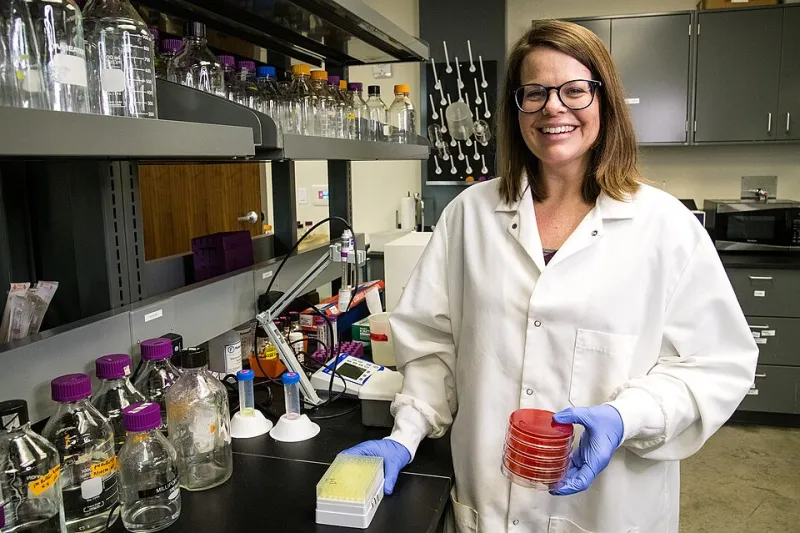
Formaldehyde carries one of science's most uncomfortable contradictions: it is classified as a known human carcinogen yet remains foundational to the laboratory work that makes cancer diagnoses, drug development, and therapeutic breakthroughs possible. Understanding how researchers reconcile this tension reveals as much about the nature of scientific risk as it does about the chemistry itself.

Trace Amounts, Outsized Fear: The Science Behind Formaldehyde in Vaccines and Why the Debate Refuses to Die
Industry & Regulation

Trace Amounts, Outsized Fear: The Science Behind Formaldehyde in Vaccines and Why the Debate Refuses to Die

Formaldehyde plays an indispensable role in rendering viruses harmless during vaccine production, yet its presence in finished doses has become one of the most persistently misunderstood facts in modern immunology. Regulatory agencies have established strict limits on residual formaldehyde in licensed vaccines, and the concentrations involved are a fraction of what the human body produces naturally. Understanding the gap between the chemistry and the controversy requires a closer look at both th

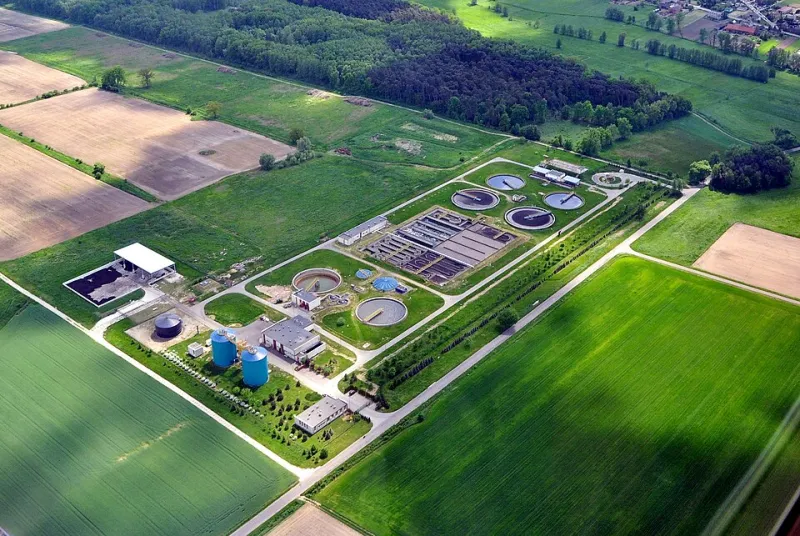
Effective but Untouchable: Why Municipal Water Systems Have Quietly Ruled Out Formaldehyde
Industry & Regulation

Effective but Untouchable: Why Municipal Water Systems Have Quietly Ruled Out Formaldehyde

Formaldehyde is a demonstrably potent antimicrobial agent, yet no American municipal water utility employs it as a disinfectant or preservation tool. The reasons reveal a layered interplay of regulatory constraint, toxicological concern, and the political realities of public trust in drinking water infrastructure.

Dissection Day and Double Standards: How Schools Manage Formaldehyde Differently in the Lab Versus the Classroom
Home & Indoor Air Quality

Dissection Day and Double Standards: How Schools Manage Formaldehyde Differently in the Lab Versus the Classroom

American schools routinely enforce strict ventilation requirements and exposure limits when formaldehyde appears in chemistry labs, yet the same institutions continue placing preserved biological specimens on student desks in biology class with far less scrutiny. This investigation examines the regulatory gray areas, inconsistent safety protocols, and the growing conversation among educators and toxicologists about whether schools are applying the science of formaldehyde exposure selectively — a

Zero Is Not an Option: The Engineering Limits of Formaldehyde Exposure Control in Modern Chemical Plants
Industry & Regulation

Zero Is Not an Option: The Engineering Limits of Formaldehyde Exposure Control in Modern Chemical Plants

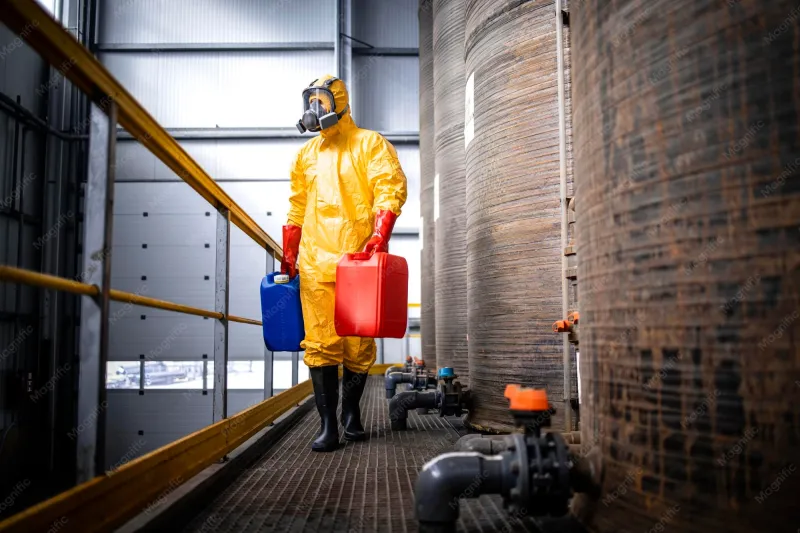
Even the most technologically advanced formaldehyde manufacturing facilities in the United States operate with a difficult truth: despite decades of safety innovation, complete elimination of worker exposure remains beyond reach. Industrial hygienists and plant managers describe a persistent gap between regulatory compliance and the physical realities of chemical production — one that no amount of engineering has yet been able to fully close.

Divided by an Ocean: How US and EU Cosmetic Regulations Treat Formaldehyde Differently — and What That Means for American Shoppers
Industry & Regulation

Divided by an Ocean: How US and EU Cosmetic Regulations Treat Formaldehyde Differently — and What That Means for American Shoppers

While the European Union has moved aggressively to restrict formaldehyde and its chemical relatives in personal care products, US regulators have taken a markedly different path. Understanding why these two major markets have reached such divergent conclusions — and what the underlying science actually supports — is essential for American consumers navigating an increasingly crowded beauty aisle.

Overlooked and Underregulated: The Formaldehyde Exposure Risk Hidden in Your Pet's Everyday Products
Home & Indoor Air Quality

Overlooked and Underregulated: The Formaldehyde Exposure Risk Hidden in Your Pet's Everyday Products

Pet toys, bedding, and grooming supplies occupy a regulatory gray zone that leaves both animals and their owners exposed to formaldehyde at levels rarely discussed in mainstream safety conversations. Independent testing has begun to illuminate what industry standards have long left unexamined. Understanding the science behind these exposures—and how to respond to them—is the first step toward a more informed household.

Behind the 'Formaldehyde-Free' Label: What Manufacturers Are Actually Using and Whether It Matters
Home & Indoor Air Quality

Behind the 'Formaldehyde-Free' Label: What Manufacturers Are Actually Using and Whether It Matters

Consumer demand for formaldehyde-free products has prompted a wave of reformulations across industries ranging from nail care to nursery furniture, but the science behind these substitutes is more complicated than the marketing suggests. Some alternatives represent genuine improvements in indoor air quality and occupational safety; others simply trade one set of concerns for another. This guide examines what is actually inside these reformulated products and what the evidence says about their ef

When Exposure Becomes Evidence: How Formaldehyde Litigation Is Reshaping Workplace Safety Standards
Industry & Regulation

When Exposure Becomes Evidence: How Formaldehyde Litigation Is Reshaping Workplace Safety Standards

Formaldehyde exposure claims have moved from industrial facilities into federal courtrooms, forcing judges, juries, and scientists to grapple with the gap between regulatory thresholds and real-world health outcomes. From landmark FEMA trailer cases to ongoing healthcare worker litigation, the legal landscape around formaldehyde is evolving rapidly. Here is what workers and employers need to understand about the science, the standards, and the stakes.

Is Your Home's Air Safe? A Step-by-Step Guide to Testing for Formaldehyde Yourself
Home & Indoor Air Quality

Is Your Home's Air Safe? A Step-by-Step Guide to Testing for Formaldehyde Yourself

Consumer-grade formaldehyde testing kits have become increasingly accessible to American homeowners, but knowing which product to trust—and what to do with the results—is far from straightforward. This guide walks through the available testing methods, their real-world accuracy, the common household sources most likely to elevate readings, and the remediation steps that actually make a measurable difference. If you have ever wondered whether your indoor air is safe, this is where to start.

Clinical Necessity vs. Public Anxiety: How Formaldehyde Remains Central to Modern Medicine
Industry & Regulation

Clinical Necessity vs. Public Anxiety: How Formaldehyde Remains Central to Modern Medicine

Despite widespread public concern about formaldehyde exposure, the compound occupies an irreplaceable position in hospitals, pathology laboratories, and vaccine manufacturing facilities across the United States. Medical professionals and researchers consistently argue that the chemistry underlying these applications is both well-understood and carefully controlled. This article examines why the medical establishment has not abandoned formaldehyde—and whether the alternatives are truly ready to s

The Preservatives You're Not Reading: Formaldehyde Releasers Hidden in Plain Sight
Home & Indoor Air Quality

The Preservatives You're Not Reading: Formaldehyde Releasers Hidden in Plain Sight

Formaldehyde itself rarely appears on a product label, but a family of closely related compounds—formaldehyde-releasing preservatives—is found in a wide range of over-the-counter cosmetics, skin care products, and personal care items sold in the United States every day. These ingredients work by slowly releasing small quantities of formaldehyde to prevent microbial contamination, a function that is genuinely important for product safety, yet one that raises questions consumers deserve straightfo

Same Molecule, Two Stories: The Science Behind Formaldehyde's Medical Value and Its Health Risks
Industry & Regulation

Same Molecule, Two Stories: The Science Behind Formaldehyde's Medical Value and Its Health Risks

Formaldehyde has been a cornerstone of medical preservation for over a century, yet the very chemistry that makes it indispensable in pathology labs and transplant medicine also underpins legitimate concerns about occupational and consumer exposure. Scientists are not debating whether formaldehyde is dangerous in isolation—they are wrestling with a far more nuanced question: at what point does a life-saving tool become a meaningful health liability? The latest research is beginning to offer some

Preserving the Irreplaceable: How Museums Navigate Formaldehyde's Complicated Legacy
Home & Indoor Air Quality

Preserving the Irreplaceable: How Museums Navigate Formaldehyde's Complicated Legacy

Inside the climate-controlled storage rooms and conservation laboratories of America's museums, formaldehyde has served as a quiet guardian of irreplaceable artifacts for well over a century. Yet the same chemistry that protects biological specimens and historic textiles from decay also poses documented risks to the conservators who work with these collections daily. The field now finds itself weighing scientific tradition against evolving occupational health standards and the promise of emergin

What's Really in Your Food? Tracing Formaldehyde From Farm to Table
Industry & Regulation

What's Really in Your Food? Tracing Formaldehyde From Farm to Table

Formaldehyde appears in the food supply through routes most consumers never consider—natural biochemistry, industrial packaging, and processing chemistry alike. Federal oversight from the FDA provides a framework, but scientists and consumer advocates argue that meaningful gaps persist. Understanding where the compound originates and how it is regulated offers a clearer picture of what Americans are actually eating.